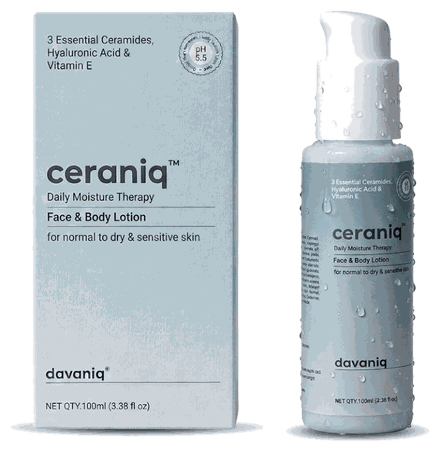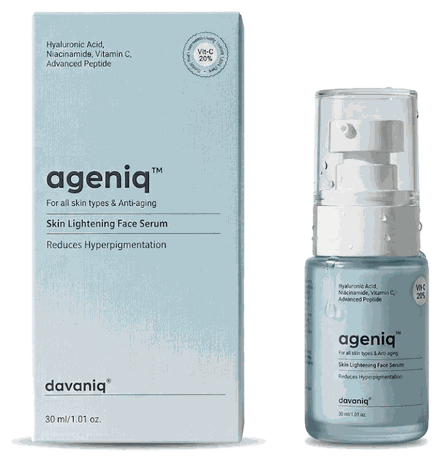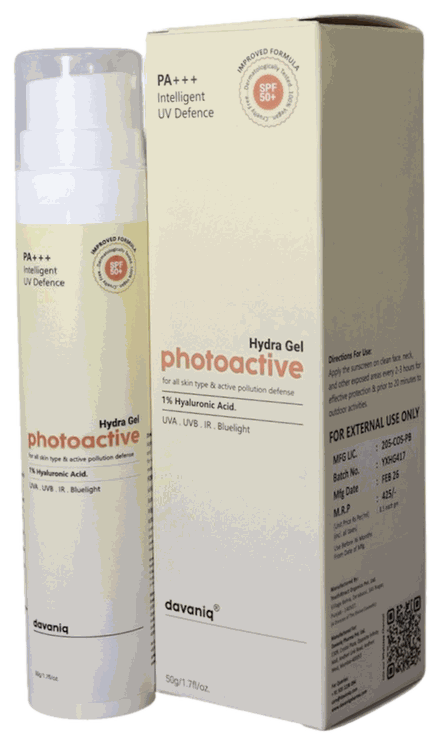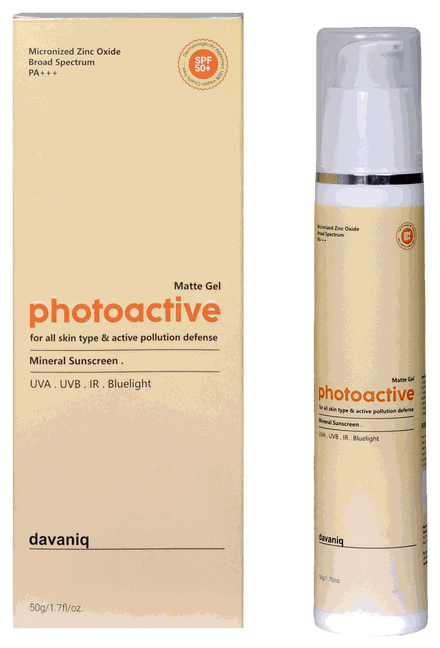
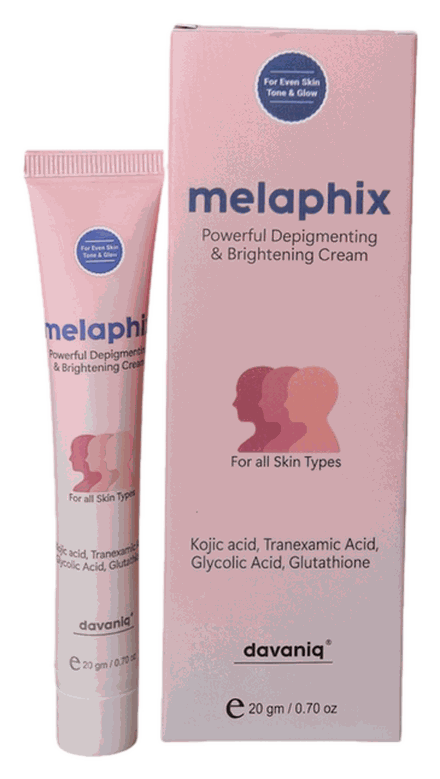
Melaphix targets pigmentation the way pigmentation actually forms — at several points in the chain at once. Kojic acid and alpha arbutin interrupt pigment production, tranexamic acid calms the inflammation that keeps melasma coming back, and a low dose of glycolic acid clears the pigmented cells already sitting at the surface. Used nightly, gently, over weeks. Not overnight, because nothing honest is.
Full ingredient rationale for each active is on its own page. If a percentage isn't stated on a product you're considering — ours or anyone's — that's worth asking about.
A pea-sized amount is genuinely enough. More does not work faster; it only irritates, and irritation causes more pigment.
Unless your pigmentation is diffuse. Targeted application keeps the rest of your skin calm.
Without daily SPF this cream is working against a tide. This is the single biggest reason people say brightening 'didn't work'.
Six to eight weeks for visible lightening on most post-acne marks; twelve or more for melasma, which is a longer, more patient job. Anyone promising two weeks is selling you the promise, not the result.
Speak to your doctor first. We'd rather you check than assume — several brightening actives are best avoided during pregnancy and breastfeeding.
No. Neither, deliberately. Both work quickly and cause real damage with unsupervised long-term use, which is exactly how they get used.
DavaniQ products are cosmetic formulations intended to support skin health and appearance. They are not medicines and are not intended to diagnose, treat or cure any condition. If a concern is persistent, painful or changing, please see a qualified dermatologist.
The most common reason Indian skin gets treated — and the one most often approached backwards, with a strong cream and no sunscreen.
Six questions, two minutes, and a routine built around your skin type, your concern and your climate — rather than a guess.