Routine · 9 min read · June 2026
The ten-step routines and rich cream recommendations that dominate skincare content were largely developed for cold, dry climates with indoor heating. Applied in Chennai in May, or Delhi in July, they produce congestion, sweat-off and frustration. The actives aren't wrong. The vehicles, the layering and the frequency are.
Three things genuinely change in Indian conditions: sebum production rises with heat, so heavy occlusives become a liability; UV exposure is high all twelve months rather than seasonally, so sun protection is a year-round baseline; and humidity means hydration needs are met more easily, while barrier damage from over-cleansing becomes the more common problem.
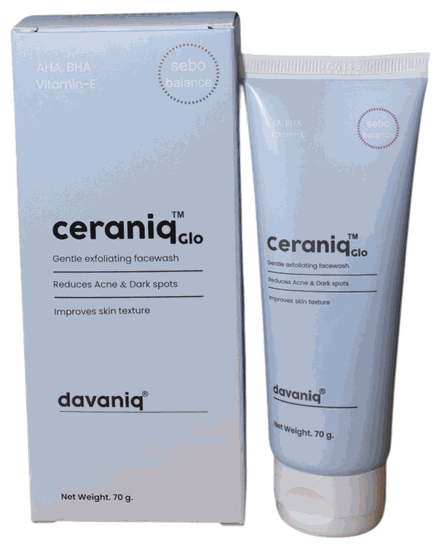
Cleanse. Twice daily, gently. Once in the morning to remove overnight sebum, once at night to remove sunscreen, pollution and the day. If you wear water-resistant sunscreen or makeup, an oil or micellar step first, then your usual wash. Lukewarm water — hot water strips lipids more efficiently than most cleansers.
Treat. One targeted active, applied to skin that's dry after cleansing. Antioxidants in the morning, corrective actives at night. One at a time. The urge to stack a vitamin C, an exfoliant and a retinoid in a single evening is where most barrier damage begins.
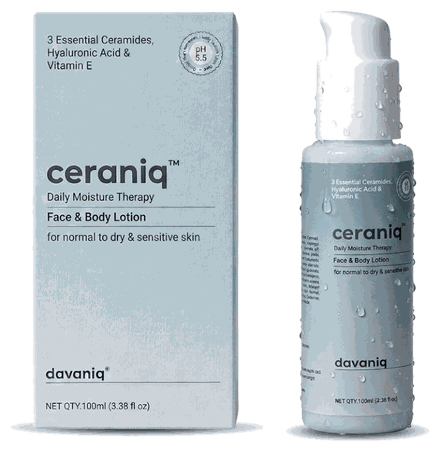
Moisturise. On damp skin, within three minutes of washing. In humidity, choose a light lotion with real ceramides over a heavy cream — the ingredient does the repair, the texture only decides whether you'll keep using it.
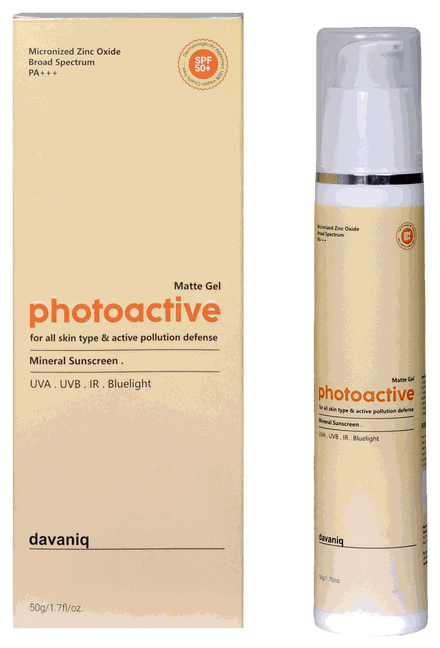
Protect. SPF 50+ PA+++, two finger-lengths, every morning, all year. This is the step that determines whether the other three compound or merely maintain.
Summer and monsoon. Lighter textures throughout. A matte sunscreen if you're oily. Consider dropping a heavy night cream to a light lotion. Reapply sunscreen more diligently — you're outdoors more and sweating it off faster.
Winter, especially in the north. Skin loses water faster in dry cold. Add a hydrating layer rather than switching to something heavy: a humectant serum under your usual moisturiser does more than a thick cream alone. Shorter, cooler showers matter more than any product you can buy.
Air-conditioned offices, all year. AC is dehydrating in a way people consistently underestimate. If your skin is tight by 4pm at a desk, that's the reason, and a ceramide moisturiser morning and evening fixes more of it than drinking more water will.
Hydration and comfort: days. Texture and brightness: three to four weeks. Pigmentation: six to twelve weeks. Fine lines and firmness: three months and beyond. Skin renews on its own schedule, and the most common reason a routine 'fails' is that it was abandoned at week three.
DavaniQ products are cosmetic formulations intended to support skin health and appearance. They are not medicines and are not intended to diagnose, treat or cure any condition. If a concern is persistent, painful or changing, please see a qualified dermatologist.
No countdown timers, no restock panic. Four considered letters a year on formulation, ingredients and what the evidence actually supports — plus first word on anything new.