Science · 7 min read · May 2026
The outermost layer of your skin is often described as a brick wall: flattened skin cells as the bricks, and a lipid matrix of ceramides, cholesterol and fatty acids as the mortar between them. That mortar does two jobs at once — it stops water escaping outward, and it stops irritants, allergens and microbes getting in.
When the mortar thins, both jobs fail simultaneously. Water leaves, so skin is dry no matter how much you drink. Irritants enter, so skin becomes reactive to products it used to tolerate. People describe this as 'my skin suddenly became sensitive'. It usually didn't. It became damaged.
The signs are specific enough to self-diagnose with reasonable confidence: products that never stung now sting, particularly around the nose and cheeks. Skin feels tight within minutes of washing. There's flaking alongside oiliness — which sounds contradictory and isn't. Redness that lingers. And a sense that everything you try makes it slightly worse, which is the most reliable tell of all.
Stop everything active. All acids, retinoids, scrubs, vitamin C. Not reduced — stopped. This is the step people resist and it is the one that works.
Cleanse once a day, at night, with something gentle. In the morning, water alone is fine for a fortnight.
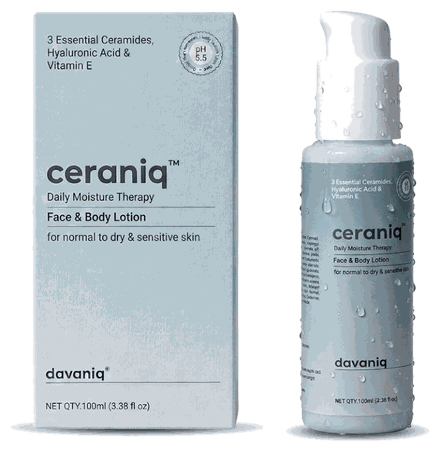
Moisturise twice daily with real ceramides, on damp skin. You are replacing missing mortar, not adding a coating. This is why a ceramide lotion outperforms a thicker cream made of occlusives alone.
Keep sunscreen. It's the one thing you don't pause — a damaged barrier is more vulnerable to UV, not less. Choose a fragrance-free, mineral-led formula if things are very reactive.
Wait. Two to four weeks for most people. Then reintroduce one active, twice a week, and build from there. Reintroducing everything at once on the day skin feels better is how people end up in the same place a month later.
Barrier damage causes inflammation, and inflammation in skin with more melanocyte activity causes pigmentation. So a fortnight of over-exfoliating in pursuit of brighter skin can leave you with darker marks that take three months to fade. The route to even, clear skin runs through a barrier that's intact — not through one that's been scrubbed into submission.
DavaniQ products are cosmetic formulations intended to support skin health and appearance. They are not medicines and are not intended to diagnose, treat or cure any condition. If a concern is persistent, painful or changing, please see a qualified dermatologist.
No countdown timers, no restock panic. Four considered letters a year on formulation, ingredients and what the evidence actually supports — plus first word on anything new.