Routine · 5 min read · June 2026
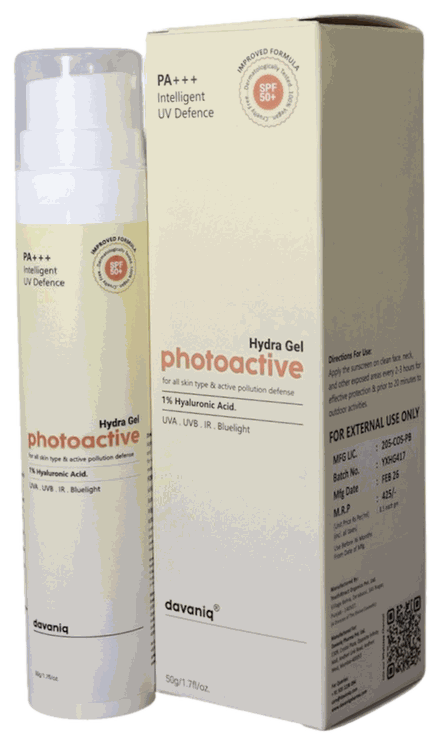
Moisturiser first. Sunscreen last. Sunscreen is always the final step of your morning skincare, applied after everything else has absorbed and before any makeup.
Sunscreen filters need to form a continuous, even film across the surface of your skin to deliver the protection they were tested for. Anything applied on top disturbs that film — it dilutes it, moves it, and thins it in patches. A layer of moisturiser rubbed over your sunscreen can meaningfully reduce the protection you thought you had.
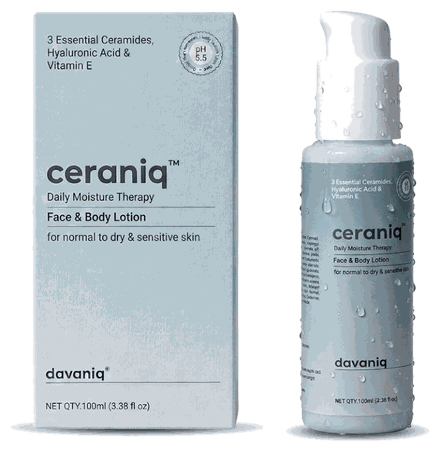
Moisturiser, by contrast, doesn't care what goes on top of it. Its job is to hydrate and seal the layers beneath, and it does that just as well underneath a sunscreen as it would alone.
Skincare goes on thinnest to thickest, with two exceptions that override everything: sunscreen is always last in the morning, and makeup goes after all skincare. Within that, watery serums precede lotions, lotions precede creams, creams precede balms and oils.
A workable morning order: cleanse, antioxidant serum, moisturiser, sunscreen. Four steps. If you're pressed for time, the two that survive the cut are cleansing and sunscreen — in that order, and the sunscreen matters more.
If your skin is comfortable all day on a hydrating sunscreen alone, no. Skincare has no compulsory steps, only useful ones. But most people with dry skin in air-conditioning, or anyone using actives, will find the separate moisturiser earns its place — and the ceramides in a proper moisturiser do repair work a sunscreen isn't formulated to do.
Sixty seconds is plenty for a serum. Two minutes for sunscreen before makeup. The elaborate waiting times circulating online mostly aren't necessary — what matters is that each layer has absorbed rather than sitting wet, so the next one doesn't slide it around.
No sunscreen at night — there's no UV to filter, and it's an unnecessary layer on skin that's doing its repair work. A night routine is cleanse, treat, moisturise. The treatment step is where retinoids, brightening creams and exfoliants belong, one at a time, not stacked.
DavaniQ products are cosmetic formulations intended to support skin health and appearance. They are not medicines and are not intended to diagnose, treat or cure any condition. If a concern is persistent, painful or changing, please see a qualified dermatologist.
No countdown timers, no restock panic. Four considered letters a year on formulation, ingredients and what the evidence actually supports — plus first word on anything new.