Protection · 7 min read · July 2026
SPF measures protection against UVB — the wavelength that burns. It says nothing about UVA, which passes through cloud and glass, reaches the deeper dermis, and drives tanning, pigmentation and the collagen breakdown that shows up as ageing. In Indian conditions, UVA is arguably the more consequential half, and it's the half most people never check for.
The UVA rating is the PA system: PA+ through PA++++. Look for at least PA+++. A tube boasting SPF 70 with PA+ is worse protection against the things you'll actually notice than SPF 50 PA+++.
SPF ratings are established at 2 mg per square centimetre of skin. Applied to a face and neck, that's roughly two finger-lengths of product — from the base of the finger to the tip, twice. Almost nobody applies that much. Most people use a quarter of it, which does not give you a quarter less protection; the relationship isn't linear, and effective protection can drop to a fraction of the label figure.
Practically: an SPF 50 applied thinly is behaving closer to an SPF 12 by mid-morning. The most effective upgrade available to most people isn't a better sunscreen. It's more of the one they already own.
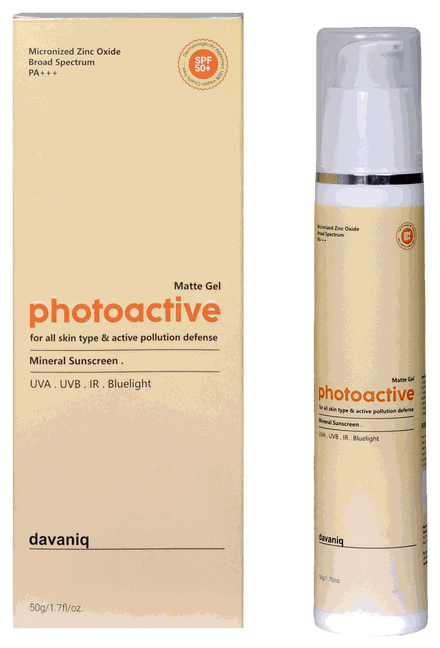
Mineral filters (zinc oxide, titanium dioxide) sit on the surface and reflect. They're calming, which suits inflamed and acne-prone skin, and historically they left a white cast on brown skin — modern micronised formulations largely don't. Chemical filters absorb UV and convert it to heat; they're cosmetically elegant, blend invisibly, and are the reason a sunscreen can feel like nothing at all.
Both work. Both are safe. The formulation matters far more than the category, and the sunscreen that protects you best is the one you'll apply properly every single morning without resenting it.
This is the part the technical guides skip. A sunscreen that leaves your face greasy at eleven in the morning will be skipped by Thursday. A sunscreen that pills under makeup will be skipped before an important day. A sunscreen that greys your skin tone will be skipped in every photograph.
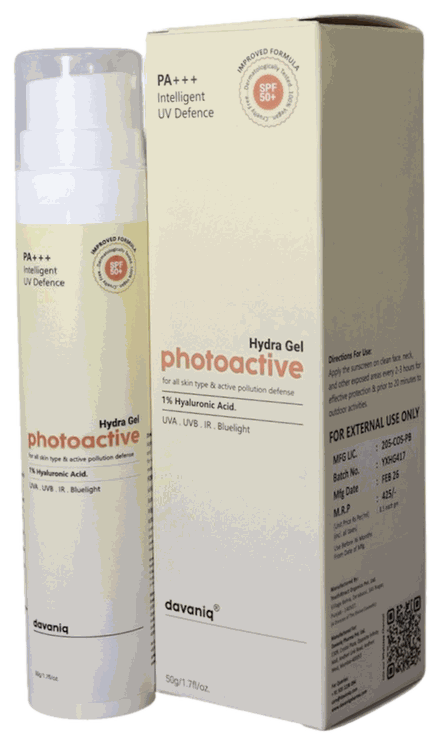
So choose for finish honestly. Oily or acne-prone skin in humidity: a matte gel with oil-absorbing silica. Dry, normal or combination skin: a hydrating gel that doubles as light moisture. Skin that reacts to everything: a mineral-led, fragrance-free formula.
Apply as the last skincare step every morning, whatever the weather, whatever the season, whether or not you're going out. Give it two minutes to set before makeup. Reapply every three hours if you're outdoors. Don't skip your neck, your ears or the backs of your hands — they age visibly and get protected almost never.
DavaniQ products are cosmetic formulations intended to support skin health and appearance. They are not medicines and are not intended to diagnose, treat or cure any condition. If a concern is persistent, painful or changing, please see a qualified dermatologist.
No countdown timers, no restock panic. Four considered letters a year on formulation, ingredients and what the evidence actually supports — plus first word on anything new.