
Retinol
The most evidence-backed anti-ageing active in skincare: speeds renewal, builds collagen, clears congestion.
What it actually does
Retinol converts in skin to retinoic acid, which changes how skin cells behave: renewal speeds up, collagen production rises, and pore-clogging keratin normalises. No other cosmetic ingredient has four decades of evidence behind it for fine lines, texture and photoageing. The catch is tolerance: used too strong, too fast, it produces the flaking and irritation that makes most people quit in week two, and in Indian skin that irritation can leave pigmentation of its own.
What the evidence says about dose
0.1 to 0.3% is where sensible skincare starts; 0.5 to 1% is for skin that has already adapted. Encapsulated forms release slowly and are markedly kinder on first use. Percentage badges above 1% on a cosmetic label deserve scepticism, not applause.
What it pairs with
With ceramides and a proper moisturiser, always. Nights only, two nights a week to begin, building slowly. Daily SPF is non-negotiable alongside it.
Where to be careful
Avoid during pregnancy and breastfeeding. Don't stack with exfoliating acids on the same night, and expect an adjustment period: that's the ingredient working, not failing.
Where you'll find it.
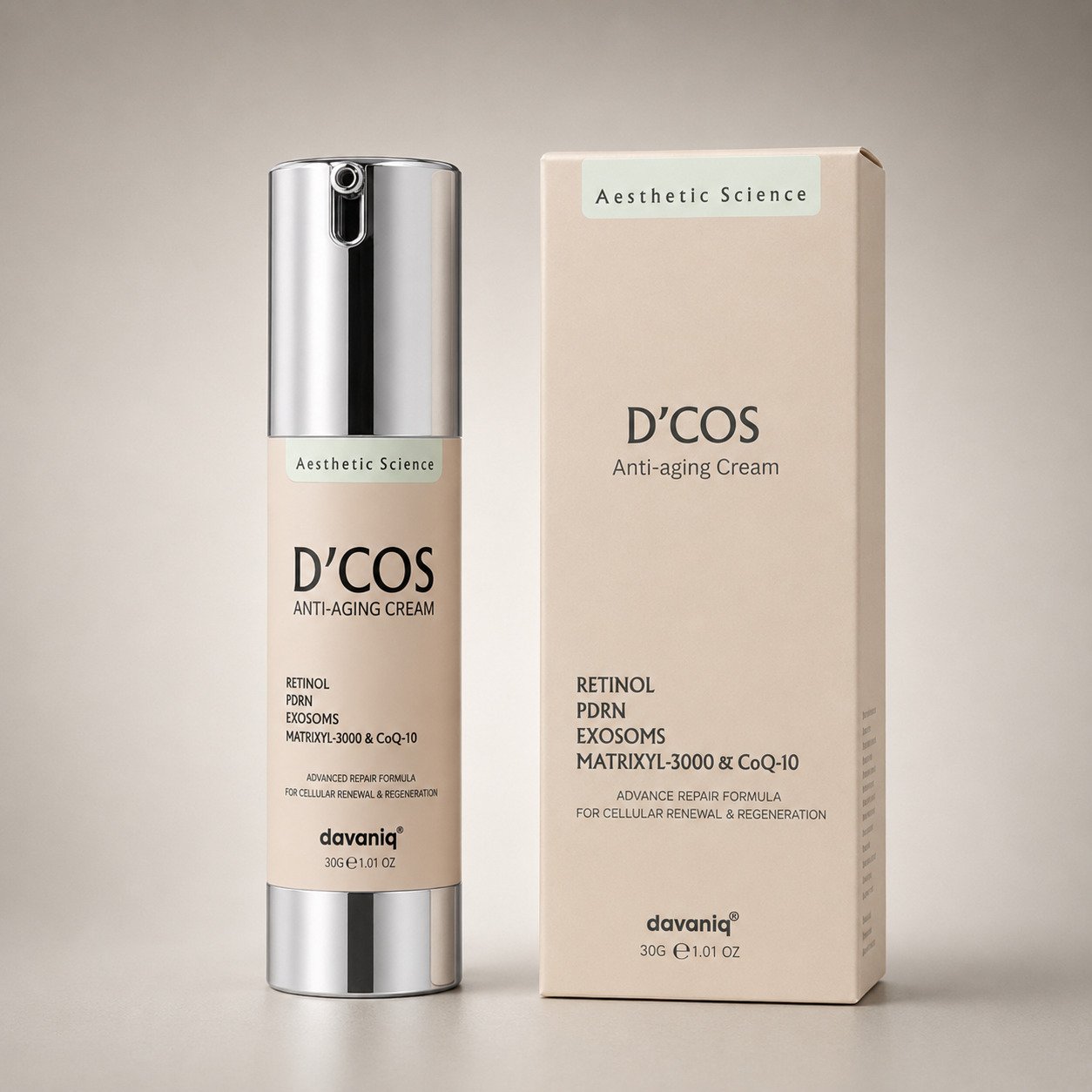
DavaniQ products are cosmetic formulations intended to support skin health and appearance. They are not medicines and are not intended to diagnose, treat or cure any condition. If a concern is persistent, painful or changing, please see a qualified dermatologist.
Which actives does your skin need?
Rather than guessing from an ingredient list, answer six questions and we'll sequence them for you.